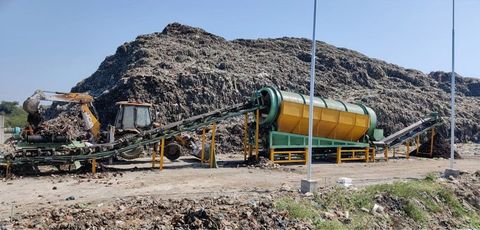
When these materials are mixed together and sent to landfills, valuable resources may be lost. Recycling provides another approach by recovering usable materials and returning them to manufacturing and production systems.
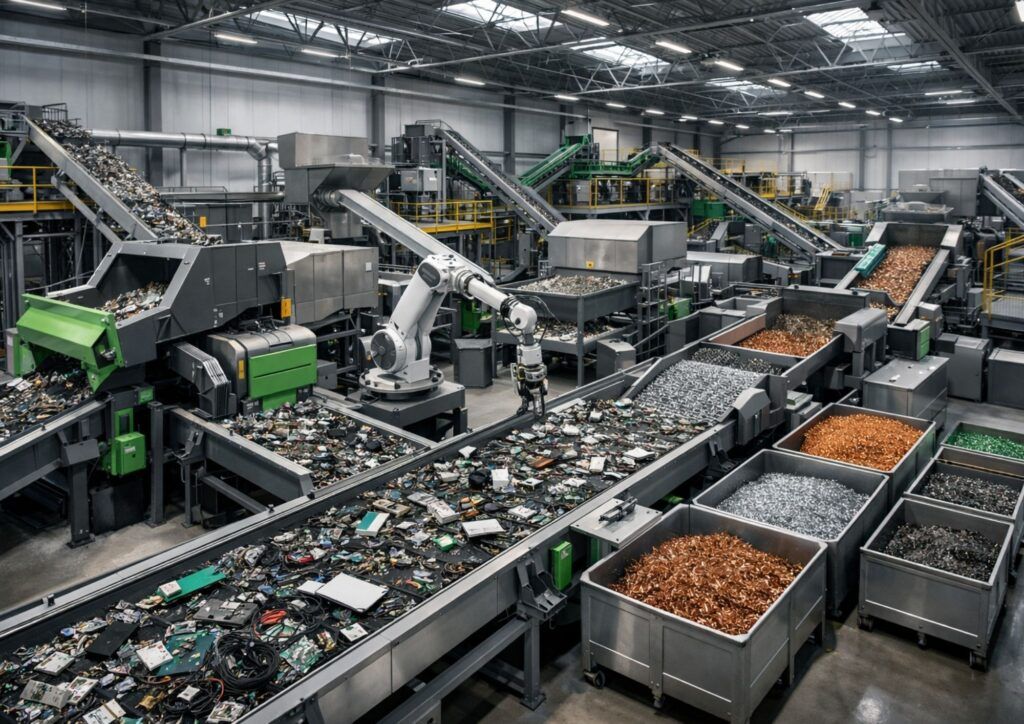
Modern Recycling Plants play an important role in this process. They use a combination of sorting equipment, mechanical systems, trained workers, and digital technologies to separate waste and prepare suitable materials for further use. Although not every discarded item can be recycled, well-organized facilities can reduce the amount of waste sent to landfills and support more responsible resource management.
Understanding how these plants operate helps explain why recycling depends not only on collection but also on careful processing, material quality, and cooperation between households, businesses, and manufacturers.
What Are Modern Recycling Plants?
Modern Recycling Plants are facilities designed to receive discarded materials, separate them into different categories, and prepare them for reuse or further industrial processing. Their equipment and operating methods depend on the types of waste they handle.
Some facilities process household packaging and paper, while others specialize in metals, construction debris, electronic waste, or organic materials. A plant that handles mixed municipal waste may require several sorting stages, whereas a facility dedicated to metal recovery can use equipment designed for specific metal types.
The main objective is to recover materials that retain practical value. Recovered glass may become a component of new glass products, metals can enter manufacturing processes, and selected plastics can be processed into raw materials for other products.
The final outcome depends on the condition of incoming waste, contamination levels, available technology, and demand from manufacturers. Recycling is therefore a connected system involving collection, processing, quality control, and the use of recovered materials.
How Waste Moves Through a Recycling Plant
1. Waste Collection and Delivery
The process begins when waste arrives from households, commercial buildings, factories, or collection centers. Workers or automated systems may inspect incoming loads to identify unsuitable materials and potential safety risks.
Loads are sometimes weighed and recorded to help operators monitor the quantity of material received. Clear records also make it easier to evaluate plant performance and identify changes in waste composition.
Separating recyclable items before collection can improve processing efficiency. When food waste, hazardous materials, and unsuitable objects are mixed with recyclable packaging, the resulting contamination may reduce the amount that can be recovered.
2. Initial Sorting and Separation
After delivery, waste may pass along conveyor belts or enter mechanical sorting systems. Workers remove items that could damage machinery or interfere with later stages. Large objects may be separated before smaller materials are processed.
Sorting can take place manually, mechanically, or through a combination of both methods. The arrangement depends on the plant's capacity, the incoming material, and the level of separation required.
3. Mechanical Processing
Once the initial sorting is complete, machines prepare materials for more precise separation. Shredders reduce selected items into smaller pieces, while screens separate materials according to size. Magnets can extract many iron-based metals, and eddy-current separators can help recover certain non-ferrous metals, including aluminum.
These systems allow different material types to move into separate processing streams. However, equipment must be selected carefully because some materials can be damaged, mixed together, or lost during processing.
4. Quality Inspection
Recovered materials are checked for contamination, incorrect sorting, and other quality issues. Optical sensors may identify certain plastics by their material characteristics, while cameras and automated systems can help detect objects that do not belong in a particular stream.
Workers may also perform manual checks. Materials that fail quality requirements can be redirected for additional sorting, processed through another method, or removed from the recycling stream when recovery is not practical.
5. Preparing Materials for Transport
After sorting and inspection, recovered materials may be compacted into bales, crushed, cleaned, or stored in containers. These steps make materials easier to handle and transport to facilities that convert them into usable industrial inputs.
The preparation method depends on the material. Glass may be crushed into cullet, metals can be grouped by type, and suitable plastics may be cleaned and shredded before further processing.
Technologies Used in Modern Recycling Plants
Automated Sorting Systems
Automation helps facilities process large quantities of material with greater consistency. Conveyor systems move waste through different stages, while sensors and control systems direct selected items toward the appropriate collection points.
Automation does not eliminate the need for human oversight. Workers remain important for maintenance, quality checks, safety monitoring, and handling unusual materials.
Artificial Intelligence and Computer Vision
Some facilities use artificial intelligence and computer vision to identify objects based on images and material characteristics. These systems can help distinguish packaging types and detect items that may otherwise be difficult to separate.
Their accuracy depends on camera quality, training data, lighting, and the condition of incoming waste. Dirty, damaged, or overlapping objects can still create identification challenges.
Optical and Sensor-Based Separation
Optical sorting equipment uses sensors to recognize differences between materials. Depending on the system, it may detect color, shape, or specific material properties. The equipment then directs selected items using air jets or mechanical devices.
This technology is particularly useful where different material types look similar to the human eye but have distinct measurable characteristics.
Data Monitoring and Process Control
Digital monitoring systems record information such as processing rates, equipment performance, material recovery, and interruptions. Operators can use these records to identify bottlenecks, plan maintenance, and evaluate changes in plant performance.
Reliable data also helps facilities compare results over time and determine whether changes to sorting methods are improving material recovery.
Types of Materials Recovered
Modern recycling facilities may handle several categories of waste, depending on their design.
Paper and cardboard: These materials can be sorted, pulped, and processed into new paper-based products. Fibers may become shorter after repeated recycling, limiting how many times they can be reused.
Plastic: Selected plastics can be sorted by polymer type, cleaned, shredded, and processed into flakes or pellets. Not every plastic item is suitable for mechanical recycling.
Glass: Glass containers can be separated by color, cleaned, and crushed into material used in new glass production or other approved applications.
Metals: Steel, aluminum, copper, and other metals can be recovered through suitable separation methods and returned to industrial processing.
Electronic waste: Specialized facilities recover selected metals and components from discarded electronic equipment. This work requires careful handling because electronic waste may contain hazardous substances.
Organic waste: Some facilities process food scraps and other biodegradable materials through composting or anaerobic digestion rather than conventional material sorting.
Each material requires an appropriate process. Combining incompatible waste types can reduce recovery rates and create additional handling challenges.
Environmental and Resource Benefits
Recycling can reduce the quantity of waste sent to landfills and lower demand for some newly extracted raw materials. Recovering aluminum, steel, paper, and other materials can help conserve natural resources when the recovered material replaces newly produced inputs.
Recycling may also reduce energy use and greenhouse gas emissions compared with producing certain materials from virgin resources. The actual benefit varies according to the material, processing method, transport distance, energy source, and quality of the recovered output.
Modern Recycling Plants can also support more organized waste management by separating materials that might otherwise be discarded together. However, recycling is not a complete solution to waste generation. Reducing unnecessary consumption, reusing products, and designing durable packaging remain important parts of responsible resource use.
Challenges in Recycling Operations
Recycling facilities face several practical difficulties. Contamination from food, liquids, chemicals, and unrelated materials can lower the quality of recovered resources. Mixed or multilayer packaging may be difficult to separate, while small objects can pass through equipment without being recovered.
Equipment also requires regular inspection and maintenance. Damaged machinery, unexpected material loads, and interruptions in collection can affect plant performance. Electronic waste and hazardous materials require additional precautions to protect workers and prevent environmental harm.
Another challenge is the availability of suitable buyers and processors for recovered materials. If manufacturers cannot use a particular material or its quality does not meet their requirements, the material may be stored, processed differently, or discarded. This is why recycling systems depend on both effective collection and reliable demand for recovered resources.
How Communities Can Improve Recycling Results
Households and businesses can help recycling facilities work more effectively by following local sorting instructions. Keeping recyclable containers separate from food scraps, avoiding hazardous items in ordinary recycling bins, and checking local rules for electronic waste can reduce contamination.
Manufacturers can contribute by designing products that are easier to repair, reuse, disassemble, and recycle. Clear packaging labels and fewer unnecessary material combinations can also make sorting more straightforward.
Local authorities can improve collection systems by providing clear guidance, suitable collection points, and public education. Cooperation across the entire material cycle helps increase recovery and reduce avoidable waste.
Conclusion
Modern Recycling Plants transform selected waste materials into usable resources through collection, sorting, mechanical processing, quality inspection, and preparation for further manufacturing. Automation, sensors, and digital monitoring help improve separation, while human oversight remains essential for safe and reliable operations.
Their overall impact depends on material quality, suitable processing methods, and the ability of manufacturers to use recovered outputs. When recycling is combined with waste reduction, reuse, and thoughtful product design, it can contribute to more efficient resource management and a more circular approach to production.