Chinese Industrial Machinery Explained: Technology, Uses, and Capabilities
Modern manufacturing depends on machines that can perform complex tasks with speed, consistency, and precision. From producing automotive parts to processing food, packaging products, and assembling electronics, industrial equipment supports nearly every stage of production.
Over the past few decades, Industrial China Machinery has become an important part of global manufacturing by supplying equipment used across a wide range of industries.
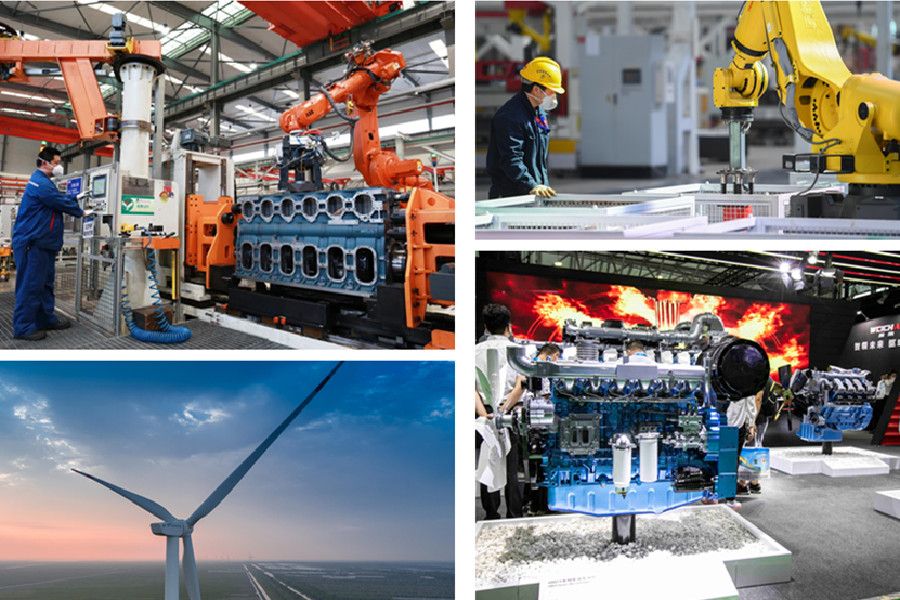
Manufacturers around the world use machinery designed for metalworking, packaging, plastics, textiles, construction materials, agriculture, and many other applications. As technology continues to advance, these machines are becoming smarter, more energy efficient, and increasingly connected through digital monitoring systems.
This guide explores what Industrial China Machinery includes, the industries that rely on it, major equipment categories, recent technological developments, and important factors to understand when evaluating manufacturing equipment.
What Is Industrial China Machinery?
The term Industrial China Machinery refers to industrial equipment designed and manufactured in China for production, processing, assembly, packaging, material handling, and automation. These machines are used by manufacturers of different sizes across numerous industrial sectors.
Rather than focusing on a single type of equipment, the term covers a broad collection of machinery that supports manufacturing operations from raw material processing to finished product packaging.
Common industries using this equipment include:
- Manufacturing
- Automotive
- Food processing
- Pharmaceutical production
- Textile manufacturing
- Electronics
- Agriculture
- Construction materials
- Metal fabrication
- Packaging
Each industry uses specialized machinery designed for its particular production requirements.
Why Industrial Machinery Matters
Industrial equipment allows manufacturers to produce consistent products while improving efficiency and maintaining quality standards.
Modern machinery performs repetitive tasks with greater precision than manual methods, helping factories maintain stable production throughout the day.
Some important advantages include:
- Consistent production quality
- Improved manufacturing efficiency
- Reduced manual handling
- Better production planning
- Higher process accuracy
- Improved workplace safety through automation
These benefits support manufacturing operations across many industries.
Main Categories of Industrial China Machinery
Industrial machinery includes many different types of equipment.
Metal Processing Equipment
Metalworking machines shape, cut, drill, bend, and finish metal components.
Examples include:
- CNC machining centers
- Laser cutting machines
- Press brakes
- Milling machines
- Lathes
These machines support automotive, aerospace, construction, and engineering industries.
Packaging Machinery
Packaging equipment prepares finished products for storage and transportation.
Common machines include:
- Filling machines
- Sealing equipment
- Labeling systems
- Wrapping machines
- Cartoning equipment
Packaging automation helps maintain consistent production speeds.
Plastic Processing Machinery
Plastic manufacturing uses specialized equipment such as:
- Injection molding machines
- Blow molding equipment
- Extrusion systems
- Plastic recycling machines
These machines produce products used in consumer goods, automotive manufacturing, healthcare, and electronics.
Food Processing Equipment
Food production facilities rely on machinery for:
- Mixing
- Grinding
- Drying
- Packaging
- Sorting
- Material handling
Proper equipment supports consistent food production while maintaining hygiene standards.
Textile Machinery
Textile manufacturing includes machines used for spinning, weaving, knitting, dyeing, and fabric finishing.
Automation has significantly improved production consistency within this sector.
Automation in Modern Manufacturing
Automation has become one of the most significant developments in industrial production.
Modern Industrial China Machinery often includes programmable control systems that improve production accuracy while reducing repetitive manual operations.
Automation technologies include:
- Programmable logic controllers (PLCs)
- Robotic handling systems
- Automatic conveyors
- Vision inspection systems
- Smart sensors
These technologies allow manufacturers to monitor production more effectively.
Smart Manufacturing Technologies
Digital technology continues transforming industrial equipment.
Real-Time Monitoring
Sensors continuously monitor equipment performance, including:
- Temperature
- Pressure
- Speed
- Energy consumption
- Production output
This information helps operators respond quickly to changing conditions.
Artificial Intelligence
Artificial intelligence supports production analysis, quality monitoring, and predictive maintenance.
Industrial Internet of Things
Connected machinery shares operational data across manufacturing systems, allowing managers to monitor production remotely.
Predictive Maintenance
Rather than waiting for equipment failures, predictive maintenance uses sensor data to identify potential maintenance needs before unexpected downtime occurs.
Equipment Used Across Industries
Industrial China Machinery supports many sectors.
Automotive Manufacturing
Factories use machining centers, robotic welders, assembly equipment, and inspection systems.
Electronics Production
Precision equipment assembles small electronic components with high accuracy.
Construction Materials
Machinery produces bricks, concrete products, pipes, insulation materials, and structural components.
Agriculture
Agricultural equipment assists with irrigation systems, grain processing, feed production, and packaging.
Pharmaceutical Manufacturing
Specialized equipment supports mixing, granulation, tablet production, filling, and packaging operations.
Important Factors When Evaluating Machinery
Selecting industrial equipment requires careful planning.
Organizations often evaluate several factors, including:
- Production capacity
- Machine dimensions
- Automation level
- Energy efficiency
- Material compatibility
- Maintenance requirements
- Safety features
- Digital monitoring capabilities
These considerations help ensure equipment matches production objectives.
Industrial Machinery Overview
| Machinery Type | Common Application |
|---|---|
| CNC Machines | Precision metal machining |
| Packaging Equipment | Product packaging |
| Injection Molding Machines | Plastic component production |
| Laser Cutting Machines | Metal fabrication |
| Conveyor Systems | Material movement |
| Robotic Systems | Automated production |
Safety in Industrial Machinery
Safety remains an essential part of every manufacturing environment.
Modern equipment often includes features such as:
- Emergency stop systems
- Safety guards
- Light curtains
- Automatic shutdown controls
- Operator monitoring systems
- Warning indicators
Routine inspections and operator training also contribute to safe equipment operation.
Environmental Considerations
Manufacturing continues placing greater emphasis on sustainability.
Many newer machines focus on:
- Reduced energy consumption
- Efficient material utilization
- Lower emissions
- Waste reduction
- Recycling integration
- Smart production planning
These improvements support responsible manufacturing practices.
Future Trends
Industrial machinery continues evolving through digital innovation.
Current developments include:
- Collaborative industrial robots
- Artificial intelligence integration
- Advanced automation
- Cloud-based production monitoring
- Digital twin technology
- Improved energy management
These technologies help manufacturers improve production planning while supporting efficient equipment operation.
Why Knowledge of Industrial Machinery Matters
Even people who do not work directly in manufacturing benefit from understanding how industrial machinery supports modern life.
Products used every day—including vehicles, household appliances, electronics, medical equipment, packaged foods, and construction materials—often pass through multiple manufacturing processes involving specialized industrial machines.
Learning about this equipment provides insight into the engineering, planning, and technology behind modern production systems.
Conclusion
Industrial China Machinery includes a wide variety of manufacturing equipment used across automotive, food processing, electronics, pharmaceuticals, construction, and many other industries. Modern machines combine automation, digital monitoring, and precision engineering to support consistent production while improving operational efficiency. As smart manufacturing technologies continue to develop, industrial machinery is expected to become increasingly connected, intelligent, and adaptable to changing production requirements.

Related Post...

Discover How American Express Insurance Supports Financial Security
Updated: October 20, 2026
Read More
Explore Stainless Steel Pipes for Demanding Industrial Applications
Updated: November 19, 2026
Read More
Chinese Industrial Machinery Explained: Technology, Uses, and Capabilities
Updated: November 19, 2026
Read More