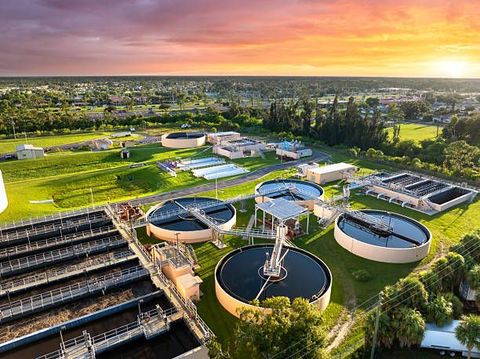
Filtration plays an important role in this process by separating materials from water and improving its physical quality.
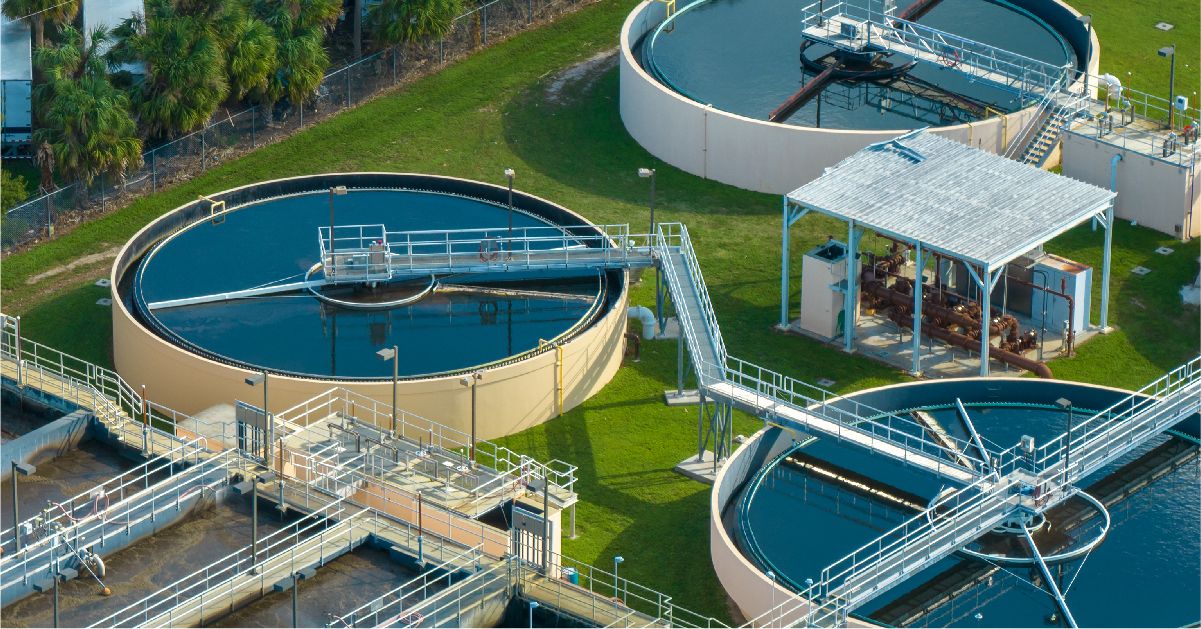
Modern Water Processing Plants use different filtration methods depending on the source of water, the level of contamination, and the intended use of the treated water. A municipal facility treating river water may require a different arrangement from an industrial plant recycling process water or a facility preparing water for commercial production.
Filtration is not always a complete treatment method on its own. It commonly works alongside screening, sedimentation, chemical treatment, and disinfection. Understanding how these stages work together helps explain why filtration is a central part of modern water treatment systems.
What Is Filtration in Water Processing?
Filtration is a process in which water passes through a material or barrier that captures particles and separates them from the water. The filtering material may consist of sand, gravel, activated carbon, membranes, or specially designed filter media.
The method used depends on the size and nature of the substances that need to be removed. Some filters capture visible particles, while others are designed to reduce much smaller suspended materials or selected dissolved contaminants.
Common impurities addressed by filtration include:
Sand, silt, and other suspended particles.
Rust and small fragments from pipes or equipment.
Certain organic compounds that affect taste or odor.
Fine particles that remain after sedimentation.
Selected microorganisms, depending on the filtration technology.
Not every filter removes every type of contaminant. For example, a basic sand filter cannot reliably remove all dissolved salts. Treatment plants therefore select filtration methods according to water testing results and applicable quality requirements.
Why Filtration Matters in Modern Water Processing Plants
Filtration supports several important treatment objectives. Its role extends beyond making water appear clearer because suspended particles can interfere with later treatment stages and affect equipment performance.
Improving Water Clarity
Water from rivers, lakes, reservoirs, and underground sources may contain particles that make it cloudy. This condition is often described as turbidity.
Filtration reduces turbidity by capturing suspended material as water moves through the filter. Clearer water is easier to monitor and may be more suitable for subsequent treatment processes.
However, visual clarity does not prove that water is safe to drink. Harmful microorganisms and dissolved chemicals may remain even when water looks clean. Testing and appropriate treatment are still necessary.
Supporting Disinfection
Disinfection methods, including chlorination and ultraviolet treatment, are used to control harmful microorganisms. Particles in water can interfere with disinfection by shielding microorganisms or affecting how treatment reaches them.
Removing suspended material before disinfection can improve the effectiveness of the overall treatment process. This is one reason filtration is commonly placed before the final disinfection stage in drinking water facilities.
Protecting Equipment
Particles can accumulate inside pipes, pumps, valves, heat exchangers, and other equipment. Over time, this buildup may restrict water flow, increase pressure losses, or contribute to mechanical wear.
Appropriate filtration helps reduce the amount of solid material entering sensitive equipment. In industrial facilities, this can support more stable operations and reduce interruptions caused by blocked components.
Common Filtration Methods Used in Water Treatment
Different technologies are used according to water quality, treatment objectives, and operating conditions. Several methods may be combined within the same plant.
1. Sand and Multimedia Filtration
Sand filtration is a widely used method for removing suspended particles. Water passes through a bed of sand, where particles become trapped within the filter material.
Multimedia filters use several layers of materials, such as anthracite, sand, and gravel. Each layer has different physical characteristics, helping the filter capture particles across a range of sizes.
These systems are often used after coagulation and sedimentation in conventional drinking water treatment. They may also be used in industrial water preparation and other applications where suspended solids need to be reduced.
Over time, trapped particles restrict flow and increase the pressure difference across the filter. The filter must then be cleaned, commonly through a process called backwashing, which sends water through the media in the reverse direction.
2. Activated Carbon Filtration
Activated carbon contains a highly porous structure that provides a large surface area for adsorption. During adsorption, selected substances attach to the surface of the carbon rather than simply passing through the filter.
This method can help reduce certain organic compounds, unwanted tastes, odors, and some chemicals. Its effectiveness depends on the contaminant, carbon type, contact time, and water conditions.
Activated carbon does not remove every dissolved substance and does not replace disinfection. The media also has a limited capacity, so it must be monitored and replaced or regenerated according to the system's operating requirements.
3. Membrane Filtration
Membrane systems use thin barriers with carefully controlled pore sizes or separation properties. Water passes through the membrane while certain particles and contaminants are retained.
Microfiltration and ultrafiltration can remove many suspended particles and microorganisms, depending on membrane characteristics and operating conditions. Nanofiltration and reverse osmosis can separate smaller dissolved substances, with reverse osmosis commonly used to reduce dissolved salts.
Membrane systems require careful monitoring because particles, mineral deposits, and biological growth can accumulate on membrane surfaces. Pretreatment, cleaning, and pressure monitoring help maintain performance.
4. Cartridge and Bag Filters
Cartridge and bag filters are often used for preliminary or final particle removal in industrial water systems. Water flows through a replaceable filtering element that captures suspended solids.
These filters are useful when a process requires a defined level of particle control before water reaches pumps, membranes, or production equipment. Their performance depends on the filter rating, material, flow rate, and nature of the particles.
They are generally not intended to remove all dissolved contaminants or make untreated water safe to drink without other treatment stages.
How Filtration Fits Into the Complete Treatment Process
In modern Water Processing Plants, filtration is usually one part of a connected treatment sequence. The exact arrangement depends on the source water and the required output quality.
A conventional treatment process may follow these stages:
Intake and screening: Water enters the plant, and screens remove large debris such as leaves and other solid materials.
Coagulation and flocculation: Treatment chemicals may be added to help small suspended particles combine into larger groups.
Sedimentation: The larger particles settle under gravity and are removed from the water.
Filtration: Water passes through suitable filter media or membranes to remove remaining particles and selected contaminants.
Disinfection: A suitable method is used to control harmful microorganisms.
Storage and distribution: Treated water is stored and delivered according to the facility's operating requirements.
Not every plant uses all these stages. Groundwater, industrial process water, and water intended for specialized applications may require different treatment arrangements.
Monitoring and Maintenance of Filtration Systems
A filtration system needs regular inspection to maintain consistent performance. Operators monitor indicators such as flow rate, pressure difference, turbidity, and filter condition.
A rising pressure difference across a filter may indicate that particles are accumulating. A sudden change in turbidity may suggest a problem with the filter media, flow conditions, or upstream treatment.
Maintenance activities can include backwashing media filters, cleaning membrane surfaces, replacing cartridge elements, and checking valves and pressure instruments. The schedule depends on water quality, operating hours, filter design, and manufacturer guidance.
Water testing is equally important. Measurements should be selected according to the treatment objective and applicable regulations. For drinking water, this may include microbiological testing and analysis of relevant chemical contaminants.
Automated monitoring systems can help operators identify unusual changes earlier, but they still require appropriate calibration, inspection, and interpretation.
Challenges and Future Developments
Filtration technology continues to develop as water demand, source water quality, and environmental concerns change. One challenge is managing water containing high levels of suspended solids or changing contaminant concentrations. Such conditions may increase cleaning requirements and place additional pressure on treatment equipment.
Membrane systems can provide precise separation, but they may require significant energy, pretreatment, and careful control of fouling. Conventional filters can be practical for many applications, yet their effectiveness depends on correct design and operation.
Modern plants increasingly use sensors, automated controls, and data analysis to monitor filter performance. These tools can help operators identify changing pressure patterns, adjust operating conditions, and plan maintenance. Water recovery and responsible handling of backwash water are also important considerations.
The appropriate approach depends on local water conditions, regulatory requirements, available infrastructure, and the intended use of treated water.
Conclusion
Filtration is a key part of modern Water Processing Plants because it removes suspended particles, improves water clarity, supports disinfection, and protects downstream equipment. Sand filters, activated carbon, membranes, and cartridge systems each have distinct functions and limitations.
The effectiveness of filtration depends on selecting the right technology, arranging it correctly within the treatment process, and maintaining it through regular monitoring and cleaning. When combined with suitable pretreatment, disinfection, and water quality testing, filtration helps plants produce water that meets the requirements of its intended use.