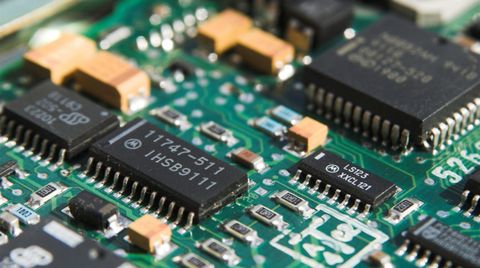
As demand for electronic products grows, manufacturers increasingly use automated processes to assemble these boards with accuracy and consistency.
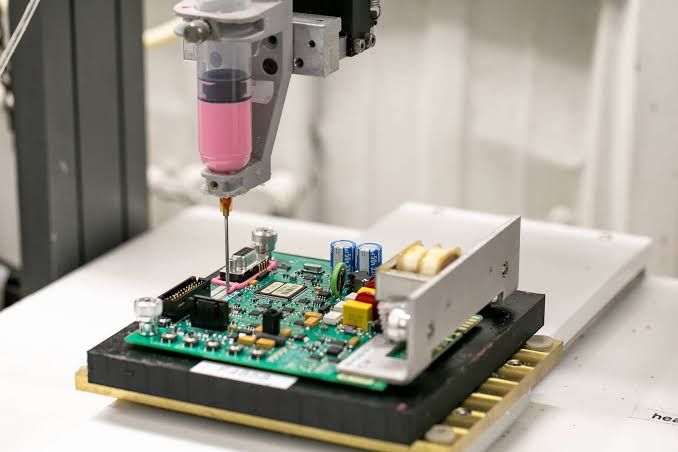
Automated PCB Assembly uses machines, computer-controlled systems, and inspection equipment to place and connect electronic components on printed circuit boards. Compared with manual assembly, automation can support repeatable production, manage complex component layouts, and help manufacturers maintain consistent quality across large production runs.
However, automation involves more than operating a single machine. It requires coordinated equipment, suitable materials, carefully prepared design files, and quality checks throughout production. Understanding these elements helps explain how automated PCB assembly works and why it is widely used in modern electronics manufacturing.
What Is Automated PCB Assembly?
Automated PCB Assembly is the process of using machines and programmed equipment to mount electronic components onto a printed circuit board. The board contains conductive pathways that connect components such as resistors, capacitors, integrated circuits, connectors, and other electronic parts.
Automation is commonly used in surface-mount technology (SMT), where components are placed directly onto pads on the board's surface. Some boards also use through-hole technology (THT), in which component leads pass through drilled holes and are secured to the board.
Many production facilities combine automated placement with soldering, inspection, and testing systems. The level of automation depends on the board design, component types, production volume, and required quality standards.
For example, a board used in a household appliance may contain a mixture of small surface-mounted components and larger connectors. A more complex board used in communications equipment may require precise placement of fine-pitch integrated circuits and densely arranged components.
Main Processes in Automated PCB Assembly
PCB assembly follows a series of connected stages. Each stage prepares the board for the next step and influences the reliability of the finished electronic product.
1. Solder Paste Printing
For many SMT production lines, the process begins with solder paste printing. Solder paste is a mixture of tiny solder particles and flux that helps prepare metal surfaces for soldering.
A stencil containing openings that match the board's solder pads is positioned over the PCB. A printer spreads the paste across the stencil, allowing controlled amounts to reach the required pads.
The quantity and position of the paste matter. Too little paste may produce weak solder connections, while too much can create bridges between neighboring pads. Automated printers use programmed settings and alignment systems to improve consistency.
Some production lines also use solder paste inspection equipment to check deposit position, volume, and shape before component placement.
2. Component Placement
After printing, a pick-and-place machine positions electronic components on the board. The machine uses programmed coordinates and component data to determine where each part belongs.
Components are commonly supplied in reels, trays, or tubes. The machine collects each component with a nozzle or another suitable handling mechanism, aligns it, and places it onto the solder paste.
Modern placement equipment can handle many component sizes, including very small resistors and capacitors. Vision systems may inspect component markings, orientation, and position to reduce placement errors.
Accurate placement is particularly important on boards with closely spaced connections. Incorrect orientation or a misplaced component can affect electrical performance and may require rework.
3. Reflow Soldering
Once components are positioned, the PCB generally moves through a reflow oven. The oven heats the board according to a controlled temperature profile, allowing the solder paste to melt and form electrical and mechanical connections.
The heating profile typically includes gradual warming, a period for temperature stabilization, a peak temperature, and controlled cooling. The exact profile depends on the solder alloy, component specifications, board materials, and assembly requirements.
If the board becomes too hot or remains at elevated temperatures for too long, sensitive components may be damaged. Insufficient heating can also lead to weak solder joints.
Monitoring oven temperatures and maintaining suitable process settings are therefore important parts of automated assembly.
4. Through-Hole Component Assembly
Some PCBs contain components with leads that pass through holes in the board. These parts may be installed using automated insertion equipment or a combination of machine-assisted and manual methods.
Wave soldering is one method used to create solder connections on suitable through-hole assemblies. The underside of the board passes over a controlled wave of molten solder, which joins component leads to the corresponding pads.
Selective soldering may be used when only specific areas require soldering or when nearby components need protection from excessive heat.
The chosen method depends on board layout, component spacing, thermal requirements, and production needs.
5. Inspection and Electrical Testing
After soldering, the assembled board is inspected for visible defects and checked for electrical performance.
Automated optical inspection (AOI) systems use cameras and image-processing software to identify issues such as missing components, incorrect orientation, solder bridges, and visible soldering defects.
X-ray inspection can examine certain solder connections that are hidden beneath components, including some ball-grid-array packages.
Electrical tests provide additional information. In-circuit testing checks selected electrical connections and components, while functional testing evaluates whether the assembled board performs its intended operations.
Not every board requires every inspection method. Manufacturers choose a suitable combination based on product complexity, reliability requirements, and applicable standards.
Essential Equipment Used in Automated PCB Assembly
An automated assembly line includes several machines that work together. Common equipment includes:
Solder paste printers: Apply controlled amounts of solder paste to PCB pads.
Pick-and-place machines: Position electronic components according to programmed assembly data.
Reflow ovens: Heat boards to create solder connections for SMT components.
Wave or selective soldering equipment: Supports suitable through-hole assembly processes.
AOI systems: Inspect visible component placement and soldering features.
X-ray inspection systems: Examine selected hidden solder connections.
Conveyors and handling systems: Move boards between production stages.
Cleaning and testing equipment: Support specific board requirements and verify performance where needed.
The equipment must be configured to match the board design and manufacturing process. Incorrect feeder setup, unsuitable machine settings, or poorly prepared assembly files can create errors even when the equipment itself operates correctly.
Benefits of Automated PCB Assembly
Automation can support several practical manufacturing objectives, although the results depend on production planning and process control.
Consistent Component Placement
Programmed machines follow defined coordinates and placement instructions. This repeatability can reduce variation between boards and help manage layouts containing many small components.
Higher Production Throughput
Automated equipment can place large numbers of components with limited interruption when materials and machine settings are properly managed. This can make automation suitable for production runs that involve repeated board designs.
Actual throughput depends on board complexity, component mix, machine capacity, inspection requirements, and changeover time.
Reduced Manual Handling
Automation reduces the need for people to place every component individually. This can limit handling-related errors and allow operators to focus on equipment monitoring, quality checks, material preparation, and process improvement.
Human oversight remains necessary for troubleshooting, maintenance, and decisions involving unusual defects.
Improved Process Monitoring
Sensors, inspection cameras, and machine data can help identify changes in placement accuracy, solder paste application, or oven conditions. Early detection allows manufacturers to investigate problems before they affect a larger number of boards.
Support for Complex Designs
Modern electronics often contain densely packed components and fine-pitch connections. Automated placement and inspection equipment can help manufacturers handle these layouts when the board design and production process are suitable.
Common Challenges and Quality Considerations
Automated assembly still presents technical and operational challenges. One concern is the initial investment required for equipment, programming, facility preparation, and operator training. The financial justification depends on production volume, product complexity, equipment utilization, and expected quality requirements.
Another challenge is component availability and compatibility. Incorrect packaging data, damaged components, or unsuitable storage conditions can disrupt production. Moisture-sensitive components may require controlled storage and handling to prevent damage during soldering.
Soldering defects can also occur because of poor stencil design, incorrect paste volume, unsuitable temperature profiles, or component misalignment. Regular maintenance, process monitoring, and structured inspection help reduce these risks.
Manufacturers should also maintain traceability where required. Records of materials, machine settings, inspection results, and production batches can help teams investigate defects and identify affected boards.
Conclusion
Automated PCB Assembly combines programmed component placement, soldering equipment, inspection systems, and electrical testing to produce assembled circuit boards. Its main processes include solder paste printing, component placement, reflow soldering, through-hole assembly where required, and final inspection.
Automation can improve placement consistency, support higher production throughput, reduce manual handling, and help manage complex electronic designs. However, reliable results depend on suitable equipment, accurate production data, controlled process settings, and ongoing quality checks.
By understanding the assembly stages and the role of each machine, manufacturers and readers can better understand how modern electronic products are assembled and how production teams maintain board quality.