Understanding hosting options can help individuals, bloggers, and businesses make informed decisions when establishing an online presence.
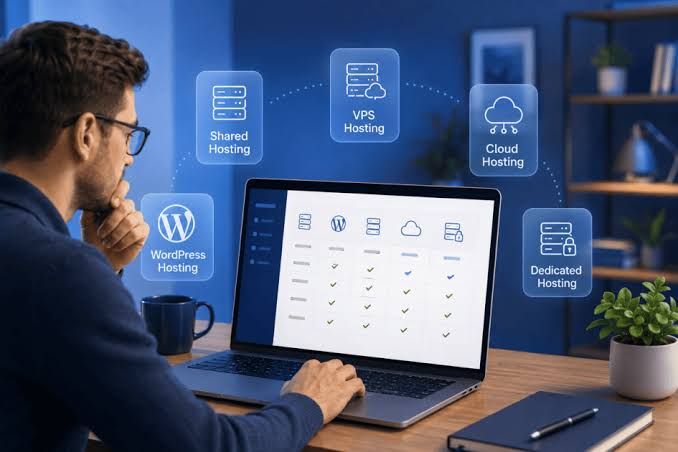
Bluehost Hosting is a web hosting platform associated with website creation tools, WordPress hosting, domain management, and other website-related features. Its available plans and capabilities vary, so understanding the differences between hosting types is important before selecting an option.
This guide explains how Bluehost Hosting works, the features commonly associated with its hosting environment, the factors that affect website performance, and the practical points to review before setting up a website.
What Is Bluehost Hosting?
Bluehost is a web hosting provider that allows users to store website files on internet-connected servers. When someone enters a website address into a browser, the hosting environment helps deliver the requested pages, images, and other content.
Hosting is one part of a larger website setup. A domain name provides the website's address, while the hosting environment stores its content and makes it accessible online. A content management system, such as WordPress, can then help users create and manage pages without building every component from scratch.
Bluehost has offered several hosting categories, including shared hosting, virtual private server hosting, dedicated hosting, and WordPress-focused options. Availability, included resources, and account features can change over time.
The appropriate choice depends on the website's expected traffic, technical requirements, budget, and level of management needed.
Main Hosting Options
Shared Hosting
Shared hosting places multiple websites on the same physical server. These websites share certain server resources, making this arrangement suitable for many small websites, personal blogs, and early-stage projects.
The main consideration is that resource availability may be affected by activity on the shared server. Traffic increases or demanding applications can influence loading performance. Users should review resource limits and the conditions that apply to their selected plan.
Virtual Private Server Hosting
A virtual private server, commonly called a VPS, divides a physical server into separate virtual environments. Each environment receives an allocated portion of computing resources.
VPS hosting can provide more control over software settings and resource allocation than a typical shared environment. However, some configurations require knowledge of server administration, security updates, and application maintenance.
This option may suit websites that have outgrown basic hosting or require a more customized technical setup.
Dedicated Hosting
Dedicated hosting provides a physical server for one customer or organization. The available hardware resources are not shared with other hosting customers on that machine.
This arrangement can support demanding applications, specialized configurations, or websites with substantial resource requirements. It also requires careful attention to server management, security, and ongoing maintenance, depending on the management level included.
WordPress Hosting
WordPress hosting is designed to support websites built with WordPress. Depending on the plan, it may include WordPress installation tools, automatic updates, caching features, security functions, or other management options.
Users should check which tasks are handled automatically and which remain their responsibility. WordPress hosting does not remove the need to maintain plugins, themes, passwords, and website content appropriately.
Website Setup and Management Features
Domain Management
A domain name helps visitors find a website through a memorable web address. Hosting accounts may include domain registration or tools for connecting a domain registered elsewhere.
Before choosing a plan, check the domain terms, renewal requirements, DNS controls, and any additional charges that may apply. Domain registration and website hosting are separate components, even when they are managed through one account.
WordPress Installation
WordPress is widely used for blogs, business websites, publications, and content-based projects. Hosting platforms may provide guided installation tools that simplify the initial setup.
After installation, website owners can choose a theme, create pages, publish articles, and add plugins for specific functions. Plugins should be selected carefully because poorly maintained or incompatible extensions can affect performance and security.
Users should also understand how to update WordPress and restore a website if an update creates problems.
Website Management Dashboard
A hosting dashboard brings account settings and website management tools together. Depending on the plan, it may provide access to domain settings, databases, email configuration, file management, security controls, and billing information.
A clear dashboard can simplify routine tasks, particularly for people who are new to website administration. However, the available tools and level of control differ across plans.
Before starting, users should identify the settings they will need regularly and confirm that the chosen hosting environment supports them.
Website Performance and Reliability
Loading Speed
Website speed affects how quickly visitors can view pages and interact with content. Several factors contribute to performance, including server resources, image sizes, scripts, themes, caching, and the number of requests made when a page loads.
Hosting provides the underlying environment, but it cannot compensate for every website design problem. Compressing images, removing unnecessary plugins, and using efficient page layouts can improve loading times.
Testing important pages on mobile devices and desktop computers helps reveal performance problems that may not be obvious during development.
Uptime and Availability
Uptime describes the proportion of time a website remains accessible. Hosting providers may publish uptime commitments or availability information, but users should read the terms carefully to understand what is measured and what exceptions apply.
Website owners can monitor availability through external monitoring tools and maintain a recovery plan for unexpected interruptions.
For a business website, it is also useful to keep essential contact details and important content backed up so that recovery can begin promptly if an issue occurs.
Scalability
A website may begin with a small audience and grow as more content is published. Hosting requirements can change when visitor numbers increase, pages become more complex, or new functions are introduced.
Before selecting a plan, examine its storage, processing resources, traffic policies, database limits, and upgrade options. Moving to another hosting category may become necessary as a website develops.
Security and Backup Considerations
Website security involves several layers. Hosting providers may include tools such as SSL certificates, account protection, malware scanning, or other security controls, depending on the plan and current configuration.
An SSL certificate supports encrypted communication between a browser and a website. It helps protect information while it travels between the two, but it does not independently secure every part of a website.
Website owners should use strong, unique passwords, enable additional account protection where available, and keep software updated. Access should be limited to people who need administrative permissions.
Backups are equally important. A backup can help restore pages, databases, and files after accidental deletion, a failed update, or a security incident. Confirm how often backups are created, how long they are retained, and whether restoration involves additional steps or charges. Maintaining a separate copy of important website data can provide another layer of protection.
Pricing, Renewal Terms, and Support
Hosting plans differ in their initial charges, renewal rates, included resources, and contract periods. A low introductory rate may apply only to an initial term, so it is important to examine the regular renewal amount before committing.
Review whether domain registration, email accounts, backups, security tools, and migration assistance are included. Optional features may have separate charges, and eligibility can vary by plan.
Technical assistance arrangements also deserve attention. Check the available contact methods, operating hours, documentation, and the types of issues covered. Some account or application problems may fall outside the hosting provider's responsibilities.
Reading the plan details and renewal conditions helps users understand the ongoing financial commitment rather than focusing only on the initial payment.
How to Choose a Suitable Hosting Plan
Start by defining the website's purpose. A personal blog may have different requirements from an online store, a membership platform, or a publication with large amounts of media.
Consider the following factors before selecting a plan:
Expected traffic: Estimate the number of visitors and identify possible periods of increased activity.
Technical requirements: Check compatibility with WordPress, databases, scripts, and any required applications.
Available resources: Compare storage, processing capacity, memory, and traffic policies.
Security and backups: Confirm which protections are included and what additional steps are necessary.
Growth options: Determine whether the account can be upgraded as the website expands.
Ongoing expenses: Review renewal terms, optional features, and the total amount payable over the intended period.
It is also sensible to review recent customer feedback and official documentation to understand recurring technical concerns and current plan limitations.
Conclusion
Bluehost Hosting provides a range of hosting options and website management tools for different types of online projects. Understanding shared, VPS, dedicated, and WordPress hosting can help website owners match their technical needs with an appropriate environment.
Before making a decision, examine performance requirements, security controls, backup arrangements, renewal terms, and available assistance. A carefully selected hosting plan, combined with regular maintenance and responsible website management, can provide a practical foundation for building and maintaining a website.